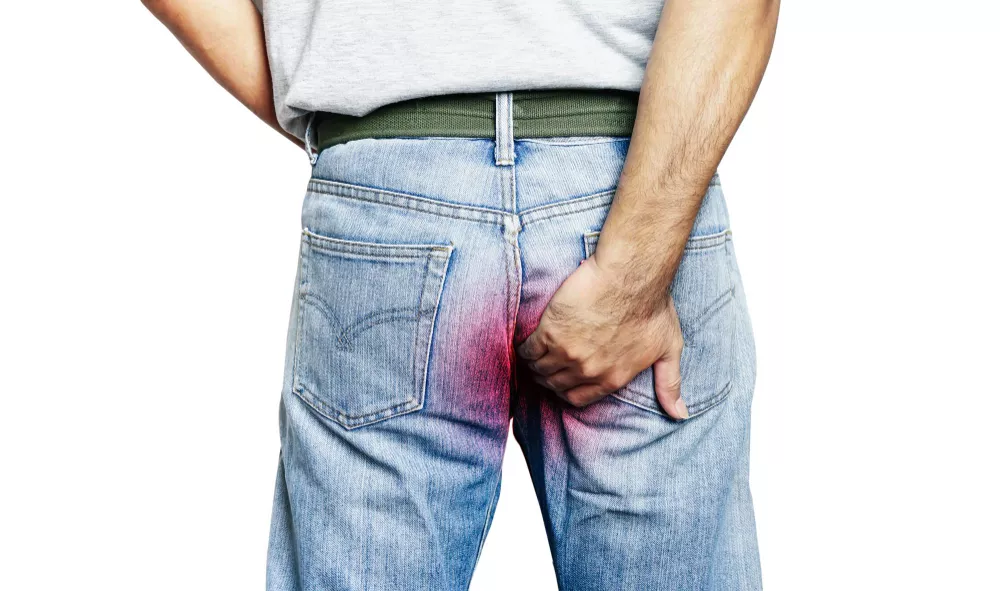
At KISHOCARE Ayurveda Clinic & Wellness Centre, Piles Care focuses on supporting individuals experiencing discomfort associated with haemorrhoids through personalised wellness guidance and appropriate care approaches. We understand that symptoms such as pain, itching, swelling and bleeding during bowel movements can affect everyday comfort and quality of life.
Piles, medically known as haemorrhoids, are swollen blood vessels in and around the lower rectum and anus. They may develop due to factors such as constipation, straining during bowel movements, prolonged sitting and other lifestyle-related factors.
Our approach emphasises understanding individual concerns and encouraging healthy digestive habits. Depending on individual requirements, wellness guidance may include:
Ayurvedic Wellness Guidance: Traditional approaches may be considered following an appropriate assessment by a qualified Ayurvedic practitioner.
Dietary Recommendations: Guidance on fibre-rich foods and balanced nutrition to support regular bowel movements.
Lifestyle Modifications: Suggestions such as adequate hydration, regular physical activity and avoiding prolonged sitting.
Digestive Health Support: Guidance on healthy bowel habits and reducing unnecessary straining.
Personalised Care Planning: Recommendations based on individual symptoms, health history and overall wellbeing.
At KISHOCARE, we believe that addressing digestive health concerns requires a thoughtful and individualised approach. Our focus is on encouraging healthier habits, supporting overall wellbeing and helping individuals make informed decisions about their care.
Rectal bleeding should never automatically be assumed to be caused by piles. Persistent bleeding, severe pain, fever or changes in bowel habits require medical evaluation. Ayurvedic and complementary therapies should not replace appropriate diagnosis or evidence-based treatment.